Khane ke liye bachao
Save to savourConservation isn't just about protecting species or natural environments. It's also about protecting the food, livelihoods and cultures that depend on nature. #KhaneKeLiyeBachao (KKLB) is Dakshin's conservation philosophy that recognises people as part of ecosystems, not separate from them.
A different starting point
We often talk about nature as something separate from our lives, something to protect or save. In doing so, we overlook a simple truth: nature underpins human life. It provides food, supports livelihoods, shapes cultures and supports wellbeing.
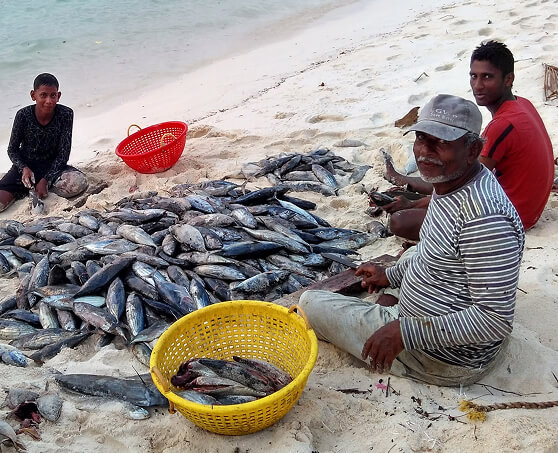
KKLB grows from this understanding and draws attention to the aesthetic and utilitarian relationships that have long existed between nature and humanity, across time and place.
This philosophy ties conservation directly to how people depend on natural resources. We challenge approaches that treat this dependence as inherently harmful, or that place people outside ecosystems. We centre a different reality: human-nature relationships involve both coexistence and conflict, and communities have the right to secure food, nutrition and livelihoods from the environment they depend on.
How this philosophy shapes our work
Mainstream conservation approaches often focus on protecting ecosystems through restriction or exclusion, including culturally inappropriate approaches that advocate against animal consumption or support fishing bans. While well-intentioned, these approaches can overlook the everyday ways people rely on natural resources.
Our work centres communities that depend on natural resources for food, nutrition and livelihoods, while supporting the health of the ecosystems they depend on. SeaChange, Dakshin's flagship initiative, puts this approach into practice by strengthening local agency and collaboration. ws from this understanding and draws attention to the aesthetic and utilitarian relationships that have long existed between nature and humanity, across time and place.
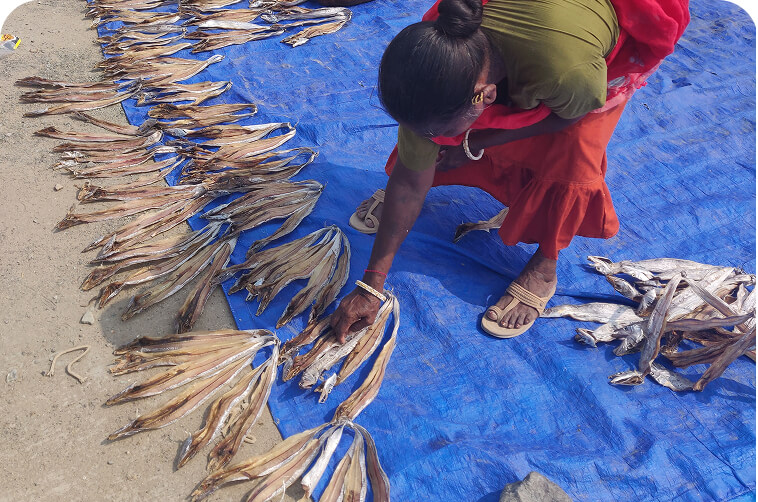
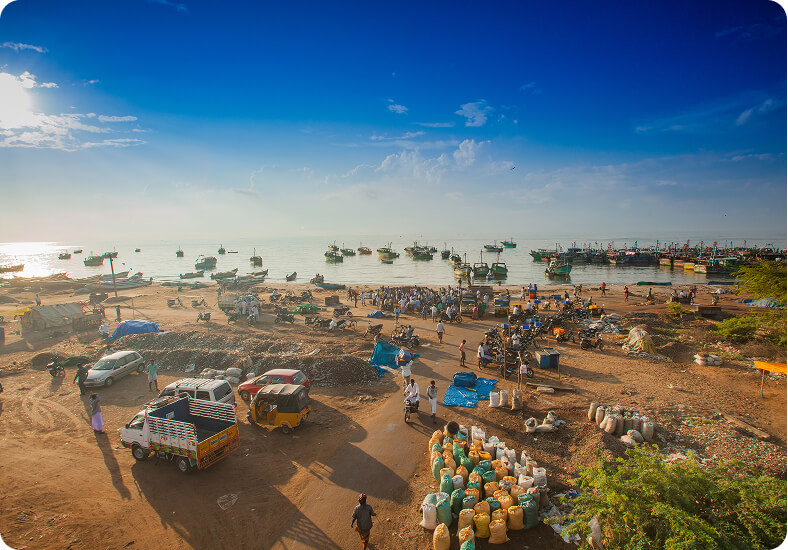
In marine and coastal systems, this approach translates into a focus on conserving and sustainably using fisheries. Fish are central to both ecological health and the lives of fishing communities. We work with fisher and coastal communities across three interconnected areas:
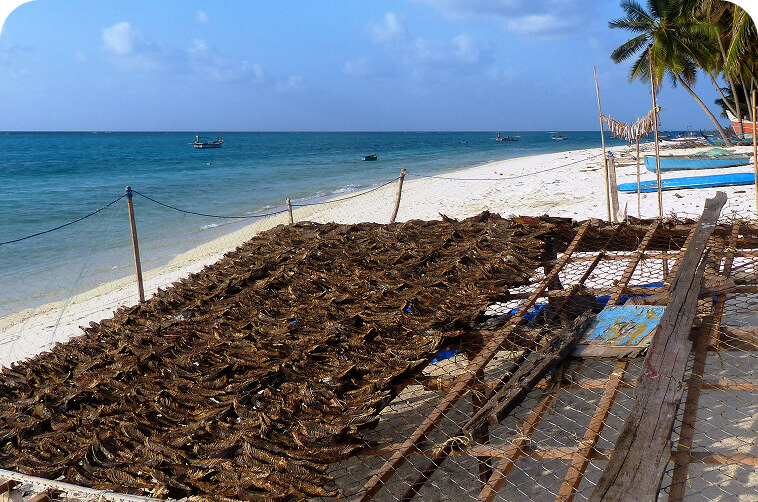
Sustainable fisheries
Supporting traditional small-scale fisheries and the sustainable use of marine resources.
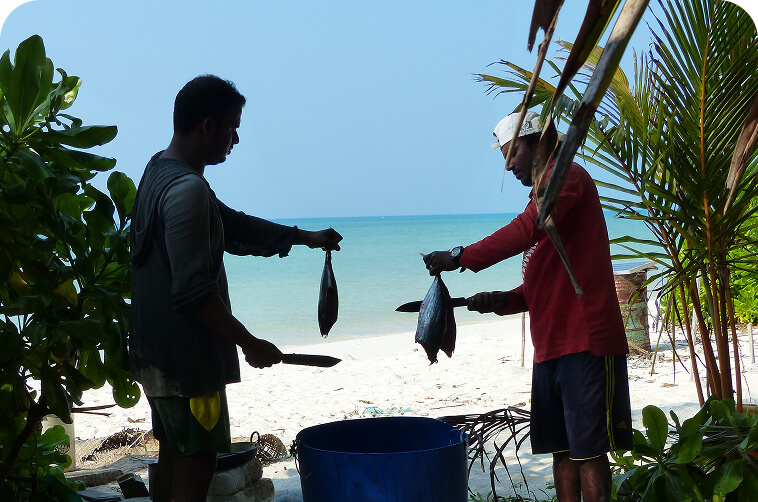
Participatory governance
Enabling fisher and coastal communities to take an active part in decisions about how natural resources are governed.
Community wellbeing
Strengthening livelihoods and wellbeing alongside the ecosystems communities depend on.
Meet machi man
KKLB’s campaign mascot brings the philosophy to life through expressions that reflect the everyday realities of coastal and fishing communities, where wellbeing rises and falls with the health of marine ecosystems.

What we lose when people are treated as separate from nature.
What we lose when people are treated as separate from nature.
What we lose when people are treated as separate from nature.
What we lose when people are treated as separate from nature..
The campaign so far
#KhaneKeLiyeBachao has taken shape as a public-facing campaign, bringing this philosophy into wider conversations through events, writing, film and multilingual materials.
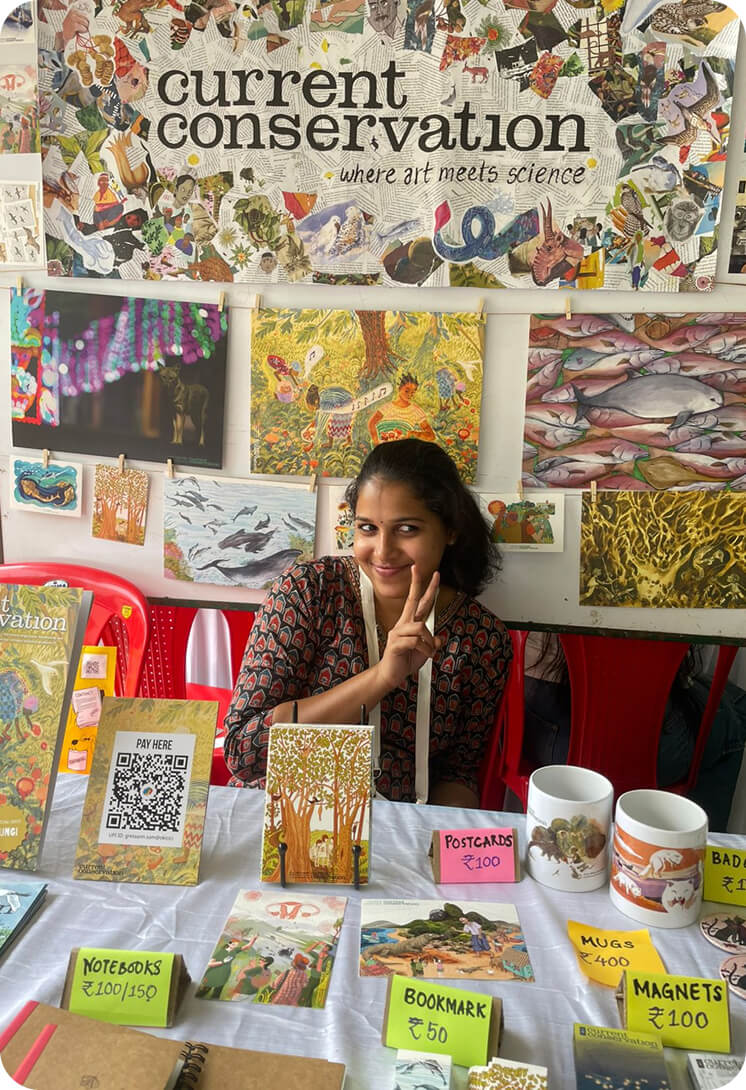
Marine Flagship Workshop
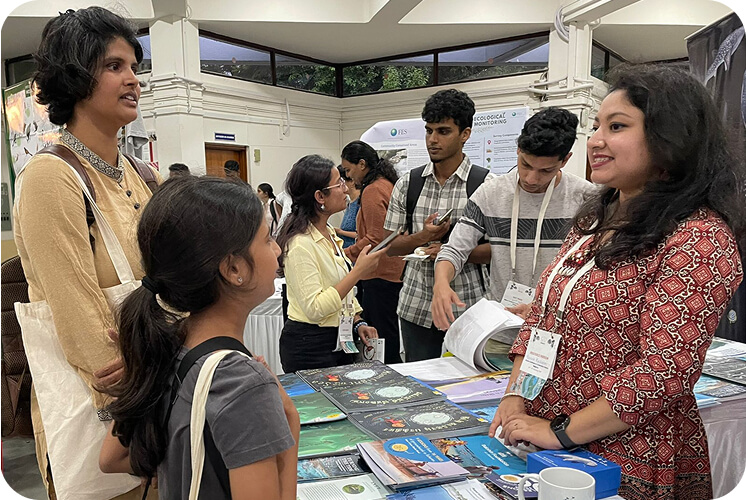
From the Field
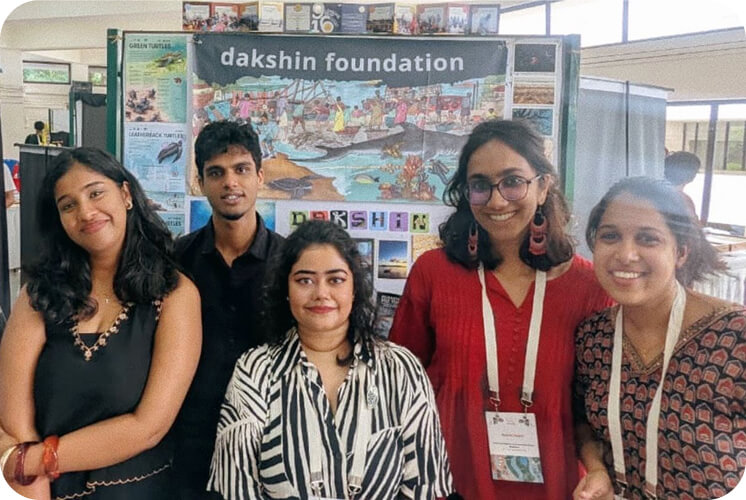
From the Field

Turning the Tide
Our Solutions
Film series
A series of short films following the people, places and everyday decisions at the heart of #KhaneKeLiyeBachao.
Tuna processing, Lakshadweep
Sardines for reduction, Wharf Mumbai
Sardines for reduction, Wharf Mumbai
Sardines for reduction, Wharf Mumbai
Resources
With coral reefs at risk, new ‘Changing Planet’ explores innovative solutions

24 Oct,2023
3 min read
Get inspired by this revived W.H. Auden’s Hymn to the United Nations. "Let music for peace Be the paradigm, For peace means to change At the right time, As the World-Clock, Goes Tick and Tock.So may the story Of our human city Presently move
Read moreOne-fifth of Mekong River fish face extinction
24 Oct,2023
3 min read
International days and weeks are occasions to educate the public on issues of concern, to
Read moreBiologist’s keen eye spots (another) new species in the Pacific
24 Oct,2023
3 min read
In 1945, representatives of 50 countries met in San Francisco at the United Nations Conference on International Organization to draw up the United Nations Charter. The United Nations officially came into existence on 24 October 1945
Read moreFurther reading
A curated selection of writing by Dakshin team members, affiliates and others in our network that engages with the ideas and perspectives behind #KhaneKeLiyeBachao.
- Conservation through Sustainable Use: Lessons from India– Anita Varghese, Meera Anna Oommen, Mridula Mary Paul, Snehlata Nath
- Small fish for food security and nutrition – FAO
- Beasts in the garden: human-wildlife coexistence in India’s past and present – Meera Anna Oommen
- The fatal flaws of compassionate conservation – Meera Anna Oommen et al.
- In Thota Bengre, Culture Is a Powerful determinant of Cuisine – Haripriya Eswaran
- Trochus trade in the Andaman Islands: How top shells from the bottom of the sea got fished out – Madhuri Ramesh
- From Sea to Surwa – Madhuri Ramesh
- Tasty Transgression: Food and Social Boundaries in the Foothills of Northeast India – Dolly Kikon